Number of units
46
Number of lessons
101 Y1 / 102 Y2 (212 total)
Duration
2 years
Level
Higher
Recommended weekly study hours
7-10
Number of units
46
Number of lessons
101 Y1 / 102 Y2 (212 total)
Duration
2 years
Level
Higher
Recommended weekly study hours
7-10
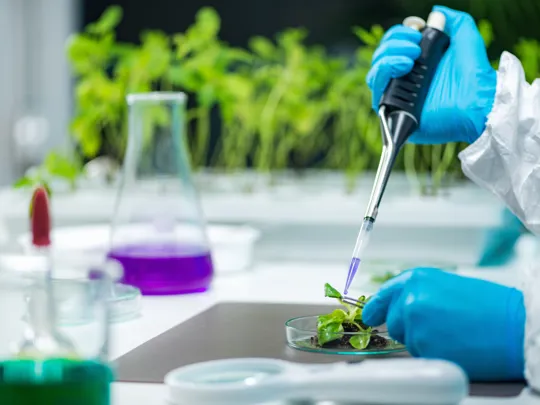
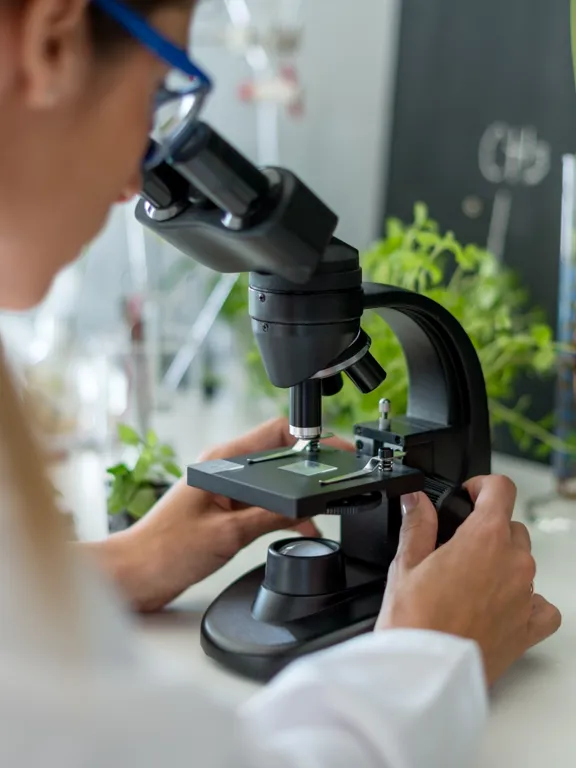
The IB Biology Higher Level course in Group 4: Experimental Sciences fosters a deep appreciation of life’s complexity through inquiry-based exploration of core topics including cell biology, molecular biology, energy, reproduction, inheritance, and natural selection. HL extends the shared syllabus with additional depth, options, and advanced content, emphasising experimental design, data analysis, and the application of biological knowledge to real-world issues like biotechnology and conservation.
Delivered fully online by Pamoja, Biology HL combines academic challenge with interactive flexibility. Students benefit from expert guidance, simulations, and skill-building in critical thinking, research, collaboration, and scientific communication - preparing them strongly for university degrees in medicine, research, biotechnology, environmental science, and health-related professions.
The course covers the following topics:
Taking IB Biology HL online will enable students to:
Explore and access key resources for the IB Biology HL course.

By offering greater flexibility in subject choice, schools can empower students to pursue their preferred academic pathways and prepare for higher education, while maintaining the high standards and academic rigour of the IB Diploma Programme.

A variety of learning activities, including practical investigations, interactive discussions, research tasks, problem-solving exercises, quizzes, worksheets and live lesson events.
External assessment (4 hours and 30 minutes)
Paper 1 (2 hours):
Paper 1A: Multiple-choice questions
Paper 1B: Data-based question
(75 marks)
Paper 2 (2 hours and 30 minutes):
Section A: Data-based and short answer questions
Section B: Extended-response questions
(80 marks)
Internal assessment (10 hours):
The internal assessment consists of one task: the scientific investigation.
This component is internally assessed by the teacher and externally moderated by the IB at the end of the course.
(24 marks)
Testimonials